LEARNING TO WALK


Life beats down and crushes the soul and art
reminds you that you have one.    Stella Adler


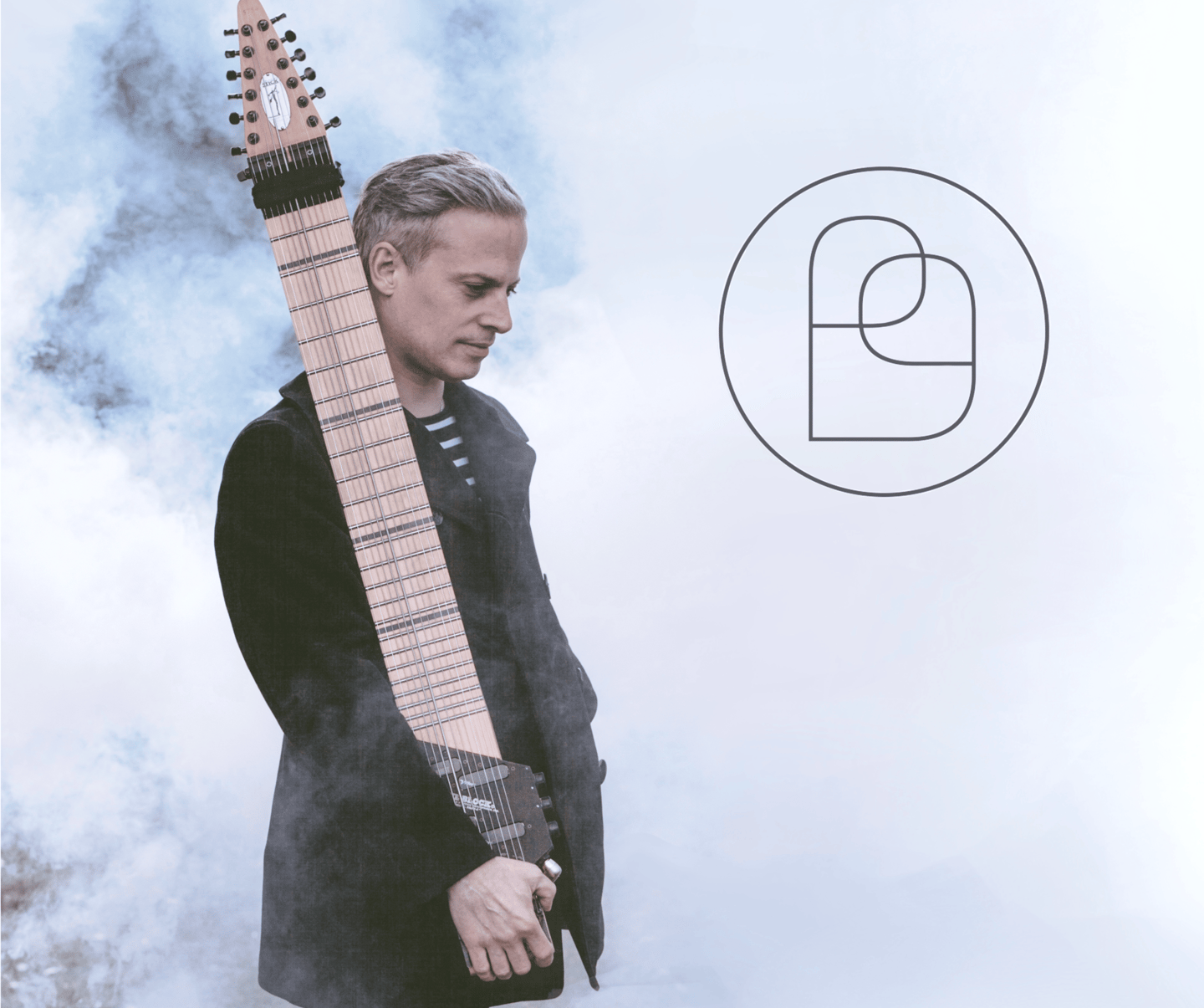
The first time i ever saw a Chapman Stick was in 1987 in the window of a Westend music shop in London. I stood mesmerised by this odd looking instrument. It looked as if it had come from outer space! How many bloody strings are on it? Why is the bass string in the middle? As i ventured into the shop i could see a man projected on a t.v set, playing the instrument. His fingers flying all over the fretboard, producing a strange and hypnotic music that seemed outrageous for one person. This person was Emmett Chapman, the inventor of that 10-string two-handed tapping instrument.

From that day on, i knew that THIS was the instrument for me but at a 1000 pounds, i was in no position to afford one. At that time i was a struggling art student, stumbling from one low paid job to the other and only dreaming about such an instrument.
A few years later after a gig, i was talking to a bass player friend about the Stick, when he mentioned that he had seen them second-hand for around 400 to 500 pounds and this rekindled my interest. The idea of actually owning one became more of a reality and my mission began.
Over the next few months i sought out any information i could find about the Stick. I managed to get in contact with Jim Lampi, a seasoned player of many years, who offered me advice about what models there were and how i should get a new version with the adjustable bridge instead of one of the older non-adjustable Iron wood or graphite ones. I bought the video 'Hands across the board' of Emmett Chapman playing the Stick, and watched it constantly. My head was full of possibilities and i started to sell anything I could to get the money together for an instrument. Finally i found a shop that had a Stick for sale. A 10-string Oak model with all black tuners and with much excitement and trepidation,i plugged in and managed a few feeble off key notes of a rather unpleasant nature. But no way was this going to deter me, for i know that this was the first step on a very, very long road.
A few days later i was the proud owner of my first Chapman Stick. The excitement and nervous energy boiling away inside my body, as i journeyed back home with the instrument. Once inside my room i locked the door so i would have no distractions and placed it against the wall. Staring at it for a while. I watched the video of Emmett Chapman again to give me some ideas. I stared at it again. How would i start? Where do i begin? Until i sat down, took out a pen and piece of paper and wrote down a C major scale. Here was my start. Find the notes. Learn the fingering. Learning the technique as i went along and spending days, weeks, months alone in that room, trying to decipher the code, trying to find the logic, a system, a platform, a way of visualising the concept of chord relationships and arpeggios. Of playing independently with both hands. Sometimes growing impatient with my inadequacies and futile attempts at playing counterpoint in the left and the right hands but never giving up. Moving a step at a time. Trying out different techniques and possibilities of scale configurations. Trying to learn a new instrument with no history. Digging deep to find the energy and perserverence to spend hours at a time with the instrument. Slowly finding a voice. A sense of understanding. An overview of the vastness of it all.


It has been over 11 years now since i first got my Stick. I have played on many records. Performed countless concerts all over the world and appeared on t.v and it is still as fresh and exciting as when i first started. It is not an instrument for the faint hearted. The level of advancement both melodically and harmonically, never ceases to end.Ideas keep on flowing. Mistakes turn into whole new concepts to be discovered and investigated. And at the end of the day, in the scary times that we live in, moving faster and faster. With the constant onslought of new technology and the media pushing the 'next big thing' at us. It feels good to sit down and play an instrument in which we can express ourselves. To let the musical flow happen. To let it run for as long as we can keep up with it. It is not often that a new way of making music comes along. An instrument with no history, no preconceptions and no pre-packaged pictures of how it should sound and how you should play it. We are making up the rules as we go along and the only thing stopping us is our imagination.


A big thanks to Emmett and Yuta Chapman for their support and to everybody at Stick Enterprises.
More information about this unique instrument can be found at www.Stick.com


All the best
Pascal Glanville Sept 2004